Every emergency situation has a form. In some cases it is a quiet alarm, sometimes it is smoke curling from a plant area, in some cases it is an overwhelmed visitor pushing the wrong break-glass panel. The chief warden's task is to identify that form early, organise a calm feedback, and obtain individuals to safety and security while keeping the site operating as for reasonably feasible. Doing that well takes more than a quick instruction and a high-visibility vest. It takes organized training, proof of proficiency, and a strategy to maintain money across years, new structure systems, and team turnover.
This write-up sets out the sensible training path for wardens and chief wardens, the units of competency that issue, the proof assessors search for, and a reasonable sight on recertification cycles. It draws on a mix of event debriefs, audit searchings for, and the uneasy lessons discovered when alarms call during top trade or shift change.
Where principal wardens suit the emergency control organisation
The emergency control organisation, or ECO, is the framework that turns a floor plan into a discharge. It consists of the chief warden, deputy chief warden, location or flooring wardens, communications officers, wardens for people with impairment, and experts like initial aiders. The chief warden leads the ECO, guides the method, communicates with emergency services, and authorizes a partial or full evacuation.
On websites with key responsibilities for chief fire wardens innovative systems, the ECO has to incorporate with structure administration systems, fire indicator panels, cause‑and‑effect matrices, and contractor work permits. On tiny sites, the ECO may be three individuals and a portable warden intercom phone. The training pathway scales to both, however the obligations of the chief warden remain constant: lead, decide, connect, and make up people.
The training spinal column: PUAFER005 and PUAFER006
Two across the country acknowledged units underpin most warden training in Australia.
PUAFER005 Run as component of an emergency situation control organisation concentrates on the core skills for all wardens. Trainees find out to reply to alarm systems, assess threats, guide residents, help with searches, and use the warden intercom and portable devices. A trustworthy puafer005 course is not a slide deck regarding concept. It needs to consist of hands-on exercise with your panel simulate, warning system, and local procedures. When this unit is delivered generically without website context, wardens execute the hands-on tasks however falter when a system acts in a different way to the textbook.
PUAFER006 Lead an emergency control organisation is the management layer. The puafer006 course constructs choice making under uncertainty, case sychronisation, communications discipline, and intermediary with participating in fire solutions. It addresses technique choice, partial evacuations, handling vulnerable residents, and changing from an emergency to recovery. Principal wardens and their deputies need to finish PUAFER006, preferably after or together with PUAFER005, due to the fact that the last offers the common language and the former sets the command tone.
Many providers package these units into a mixed warden course or chief warden course. The naming varies: chief fire warden course, chief emergency warden, or just "chief warden training." What issues is the mapping to PUAFER005 for wardens and PUAFER006 for chief wardens, and the high quality of the site-based practical.
Fire warden training requirements in the workplace
If you are an individual performing a business or task, you should ensure your emergency warden training is ideal for your dangers, tenancy, and systems. That suggests:
- The number of wardens suits your headcount, floor plate, and operating hours. As a rule of thumb, plan for one warden per 20 to 50 owners in low-complexity locations, boosting protection in risky rooms like labs, kitchens, and plant rooms. Night shifts need their very own insurance coverage, not a reliance on day staff. Training material aligns with your emergency situation plan and your tools. If you have a WIP network, practice with it. If you have an owner caution system with organized tones, drill the difference in between sharp and discharge tones. If you have a room with smoke drapes, demonstrate their automated operation and manual override. Wardens can show sensible skills. That consists of utilizing extinguishers and fire blankets where risk-free, shepherding groups via smoke compartment doors that close immediately, and inspecting commodes or peaceful spaces throughout a search pattern. Records are kept. Auditors rarely examine the choice of company. They try to find currency, sign-in sheets, unit codes, and a web link back to your site's emergency procedures.
Some organisations opt for yearly fire warden training with shorter refresher courses each 6 months. That rhythm works well in multi-tenant websites where tenant wardens revolve. In single-occupant offices with steady team, a full program every 2 years might be acceptable if drills and toolbox updates occur in between. The risk account, not the schedule, should drive the decision.
Chief warden responsibilities that shape the training
I have seen skilled principal wardens do three points that never look like bullet factors in a proficiency criterion: they specify tempo, they own the radio network, and they preserve situational humility.
Tempo has to do with pacing activities. If smoke is pressing from a shop area, there is seriousness, yet still time to close doors, introduce clearly, and evacuate in a controlled way. Panic spreads when leaders scream. Complacency spreads when leaders think twice. Educating for chiefs ought to replicate that tension, often with a time‑compressed circumstance and injected info, such as a handicapped lift, a missing out on contractor, or a 2nd alarm.
Owning the radio channel means short transmissions, appropriate call indications, and zero fluff. The chief warden's name is not as essential as the duty. If radios are not utilized day-to-day for operations, they will certainly break down throughout a discharge. Training has to include radio etiquette and strict discipline regarding cross‑talk.
Situational humility is accepting what you do not recognize and asking for it. I recall a structure where a specialist took haven in a riser cabinet during an alarm, assuming it was "much safer." The chief warden asked the easy, efficient question: "All floor wardens, do we have eyes on all professionals who signed in today?" That prompt caught the abnormality swiftly. Training should normalise asking for confirmations, not assumptions.
The proof trainers and auditors really want
Training suppliers and auditors are lined up on one point: capability has to be shown, not insisted. For PUAFER005 and PUAFER006, regular proof includes third-party reports, monitoring checklists, scenario involvement records, and created assessments. Each plays a role.
Third-party records work when the supervisor or building manager comments on the trainee's efficiency throughout drills and minor incidents. These reports are more powerful when they point out days, details tasks, and results. "Angela performed an organized partial emptying of Level 7 on 12 May after a local smoke alarm isolated the kitchen area. She kept WIP comms, made up all personnel, and communicated with going to Fire Rescue Victoria." That sentence verifies capability much better than a tick box.
Observation lists need to not be stamp. A well-run workout allows an assessor to search for sequence errors, such as initiating a full evacuation without confirming the need, or stopping working to designate a warden to the stair door to stop re-entry. Assessors like to see or listen to the chief warden validate muster point safety, specifically near loading docks where trucks keep moving.
Scenario engagement records matter most for PUAFER006. Great situations include choice forks. For instance, a fire alarm clears after an upkeep technician confesses to dirt while grinding. Do you reoccupy quickly, carry out an organized return, or await fire solution clearance? There is no single right answer throughout all sites. The capability hinges on inquiring, documenting the choice, and interacting it coherently.
Written assessments verify underpinning expertise: alarm kinds, emptying approaches, extinguisher courses, and the structure of an emergency situation control organisation. They must be quick but sharp. A 20‑question test on seclusion treatments and alarm logic is adequate. Hour‑long tests tend to measure test endurance as opposed to emergency acumen.
Site-based practice: where capability sticks
I have never seen a chief warden come to be confident by classroom alone. The turning factor is constantly a site-based run, ideally with partial disturbance and real stakeholders. If you run a retail centre, timetable a flooring warden walk-through at opening up time, when roller doors are relocating and tenants need to listen to instructions over history music. In healthcare facilities, practice the horizontal evacuation of one smoke compartment right into one more, including patient movement. In workplaces, phase a circumstance where the chief warden need to determine whether to evacuate Level 18 only or the entire high zone after a local detector triggers.
Your emergency warden course gains trustworthiness when it utilizes your real WIP mobile phones, your fire indication panel mimic, and your paging tone. One client urged that their drill consist of speaking to the base structure control room two blocks away using the website's typical rise path. That extra minute of realism uncovered a phone directing fault and caused an easy, life‑saving fix.
The colour of hats, vests, and headgears, and why it still matters
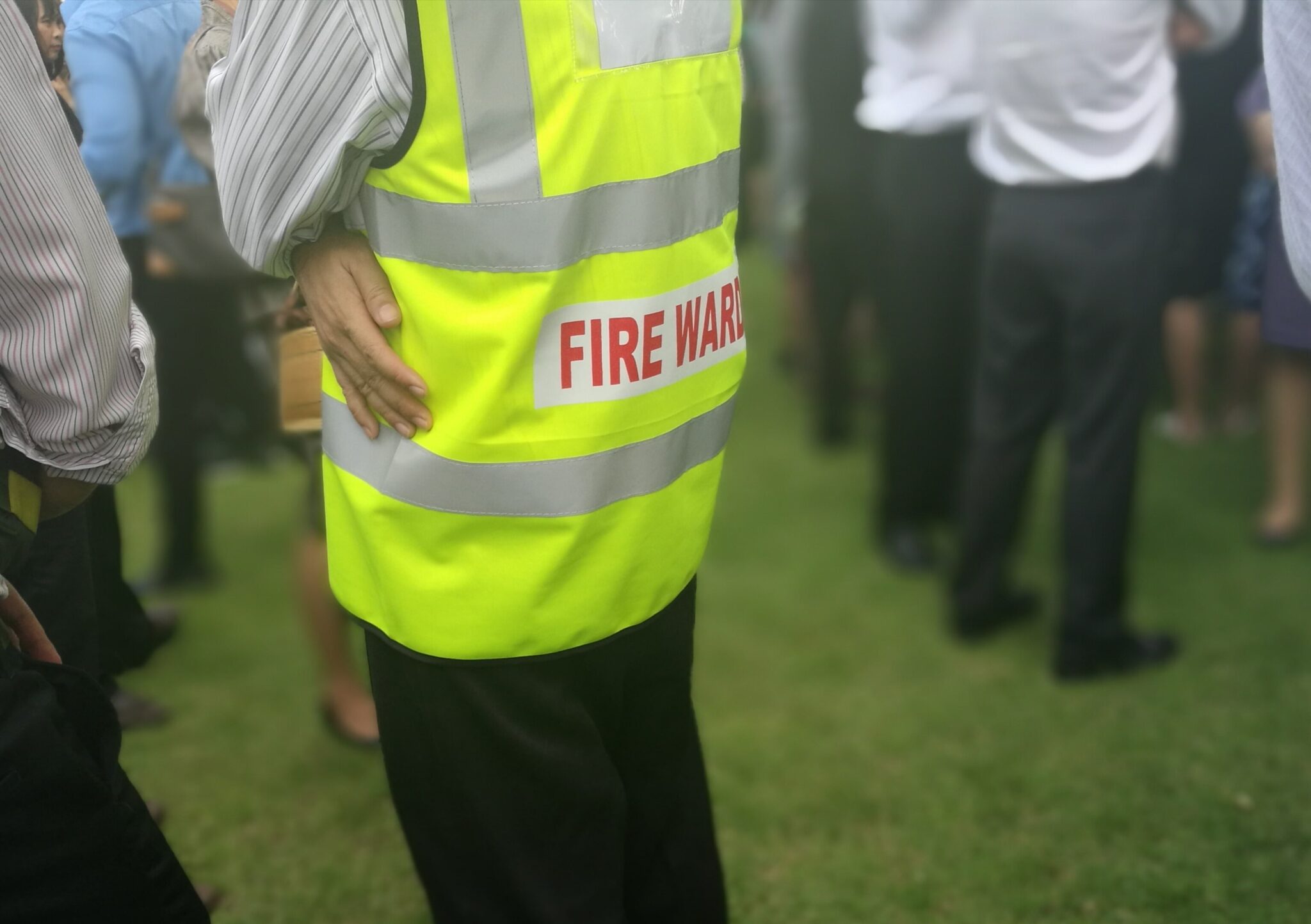
It appears unimportant till it is not. In a crowded foyer or a great smoky passage, people seek colour as long as words. Fire warden hat colour and vest colour coding helps spectators discover authority.
- Wardens typically put on red. Communications police officers are commonly blue. The chief warden hat or vest is generally white. First aiders continue to be green. Visitors or contractors might be marked with yellow or orange vests relying on site policy.
If your website utilizes safety helmets rather than caps, the very same scheme generally uses. So, what colour helmet does a chief warden wear? White is the typical standard in Australia and New Zealand. Some organisations embrace white for chief wardens with a black stripe for deputies, but the objective is distinct presence. Standardise your colours in the emergency situation strategy and brief new staff throughout induction. During one high-rise drill, two different tenants used contrasting colours for chief warden and first aid, which created complication at the setting up area when a clinical emergency situation occurred alongside the emptying. The fix took a single cross‑tenant memorandum and upgraded signage near the evac chairs.
Building the group: choose and preserving wardens
Training fails when you select the wrong people or approve hesitant volunteers. Good wardens are steady under pressure, know the flooring, and can project tranquil authority. Individuals managers are not immediately the most effective wardens. In a logistics facility, the most effective flooring warden might be the forklift lead who knows every aisle and can detect an obstructed leave from fifty metres. In a lab, it could be the senior tech that recognizes favorable stress rooms and gas shutoffs.
Chief wardens must have decision-making experience. In an airport, we selected a responsibility manager who had run uneven procedures for many years. In an aged care center, the after-hours registered nurse in charge ended up being the replacement chief warden overnight due to the fact that she already made life‑and‑death telephone calls within protocol.
Retention requires acknowledgment. I puafer006 course have seen moderate motivations job: extra specialist development budget plans, roster versatility, and a clear line on efficiency assesses that ECO functions are service to community and organisation. Nothing threatens a program much faster than penalizing a warden for the time they spend in drills.
Integrating fire wardens with other emergency roles
A chief warden is not a standalone hero. They coordinate with very first aiders, security, reception, centers, and contractors. The overlap with security officers and organization connection leads is vital during recovery. After a dud discharge during a heatwave, one site failed to remember to represent medications left on desks by staff with medical problems. The chief warden currently consists of a re-entry briefing that advises team to check for crucial products prior to reoccupying. That adjustment originated from a joint debrief with the HSE lead and business connection team.
In production and labs, the web link in between the chief warden and the permit-to-work controller is essential. Hot works usually create dirt or vapour that cause detectors. If the chief warden knows when and where allowed jobs are underway, they can make better initial decisions and overview firemens to seclusion factors. Construct that link right into your emergency warden training and your puafer006 lead an emergency control organisation scenarios.
Documentation that stands in audits and after incidents
Paperwork should be a result of real competence, not an alternative. Keep 3 layers of documentation for your fire warden program.
The initially is the emergency situation plan, which names ECO functions, escalation pathways, interactions, and muster factors. It must explain partial, staged, and complete discharges, consisting of requirements for each and every. If your building uses an area emptying for high rises or healthcare, consist of a simple representation with smoke compartments, not simply a fire panel matrix.
The second is training documents: attendance, system codes (PUAFER005, PUAFER006), days, and instructors. Attach scenario lays out and end results. When a regulator inquires about fire warden training requirements in the office, this is the folder they intend to see.
The third is after-action evaluations for real events and drills. Short and sincere beats long and vague. I favor a one-page layout: what occurred, what worked out, what requires enhancement, actions with proprietors and dates. Where individuals with impairment are affected, record whether the individual emergency emptying intends worked, and adjust as needed.
Recertification, money, and a sensible rhythm
Competency does not live permanently in a certificate. Solution change, people alter, therefore do developing renters. The sector guideline is yearly refresher training for wardens and primary wardens, with a complete review versus PUAFER005 and PUAFER006 every two to three years. That is a starting factor, not a ceiling.
Increase frequency if you have any one of the following: high personnel turnover, facility cause‑and‑effect in the fire panel, normal warm jobs or shutdowns, prone populations, or recent structure changes. Decline only if drills show regular high performance, the team is steady, and systems are simple.
Many sites embrace a split method: a complete training course for brand-new wardens, a 90‑minute refresher in 6 months concentrated on modifications and a scenario, then an annual drill that entails the whole site. The chief warden and deputies rotate with lead functions to ensure that no bachelor ends up being a solitary point of failure.
Track private expiry dates on a simple matrix. Tie refresher course invitations to calendar reminders 2 months ahead of time. People neglect, rosters shift, and nothing ruins compliance faster than a course missed because the invite went to a departed employee.
Edge cases: lifts, partial emptyings, and mixed-occupancy buildings
Lifts are the perennial trap. Many websites ban lifts throughout a fire alarm, yet high-rise buildings depend upon firemen lifts, evacuation lifts, or lifts that automatically home to a safe flooring. The chief warden needs to recognize the specific arrangement. Throughout training, show lift behavior on alarm and the signs that overviews owners. For people with wheelchair disabilities, exercise the plan: risk-free haven areas, evac chairs, and allocated wardens. Do not await the day to examine the evac chair. Check it with a volunteer and a safety and security spotter.
Partial emptyings demand a consistent voice. Leaving only Degree 11 while the remainder of the tower maintains functioning really feels strange to residents. Your warden training ought to consist of manuscripts for public address announcements that clarify the scope without triggering panic. Transparency constructs trust: "Attention Degree 11. We are exploring a neighborhood alarm. Wardens will assist you to the stairwells. Various other degrees proceed as normal."
Mixed-occupancy structures present separated authority. Base structure policies might contravene tenant expectations. The chief warden should have a pre-agreed protocol with structure management: that makes the emptying call, who manages the public address, and how to collaborate muster factors on common walkways. Throughout one CBD drill, two renters sent their people to the very same corner, obstructing the exit and obstructing fire appliance accessibility. After the debrief, the building manager provided a site-wide muster map with designated corners per tenant and time‑stamped a commitment to assess annually.
Practical list for establishing or sharpening your program
- Map functions and numbers: chief warden, deputy, floor wardens, interactions, emergency treatment, disability support. Lock in the training systems: PUAFER005 for wardens, PUAFER006 for chief wardens and replacements, with a capable provider with site-based delivery. Align colours and identifiers: red for wardens, white for chief warden hats or vests, blue for comms, environment-friendly for first aid. Release it in the plan and on noticeboards. Schedule drills with decision forks: never run a drill that has just one evident solution. Infuse a curveball to evaluate communication and judgement. Set a recertification rhythm: annual refreshers, complete review every a couple of years, and much shorter toolbox updates after any type of system change.
When to rise and when to hold
The hardest judgment call for a chief fire warden is whether to rise. False alarms and hassle triggers can deteriorate confidence. You do not want to be the warden that evacuates the structure for each toaster oven. You likewise do not want to be the one that is reluctant on the day a smoldering cable television tray turns into a passage full of smoke.
Good training shows you to ask three concerns swiftly: Is there verified smoke, fire, or warm? Is the panel suggesting spread beyond one device or zone? Do I have a legitimate, benign cause from maintenance or occupant activity that is currently stopped? If two of those 3 recommend threat, rise. Evacuate the affected location initially, announce plainly, and prepare to prolong the emptying if conditions worsen. Videotape the moment and rationale. Fire solutions usually value a mindful technique backed by clear details when they arrive.
Tying competence to everyday reality
Emergency skills fades unless you anchor it to everyday habits. Motivate wardens to do little points consistently: inspect exit doors during an early morning walk, glance at the fire indication panel en route past, test their radio batteries weekly, and present themselves to new team. The chief warden can set a five‑minute program item in team conferences to cover a micro-topic: exactly how to utilize the WIP, exactly how the alert versus evacuation tone seems, where the evac chairs live.
In one distribution center, we linked the warden's morning stretch-and-flex to a thirty‑second reminder about maintaining aisles clear of pallets and not chaining open fire doors. The blocked door count dropped to near no within a month, much more reliable than any strict memo.
What a solid analysis day looks like
When I run a mixed fire warden training and chief fire warden training day, the form is predictable yet versatile. We begin with a go through the website's crucial points: panel, risers, hydrant inlets, smoke doors, staircase pressurisation, evac chairs. We after that sit long enough to settle on roles and radio methods, not to drown in slides. Situation one is reduced intricacy: a single-zone alarm system from a recognized hassle area. Scenario 2 is multi-factor: a service provider report, an alarm system in an adjacent area, a lift mistake, and a person transfer or VIP conference underway.
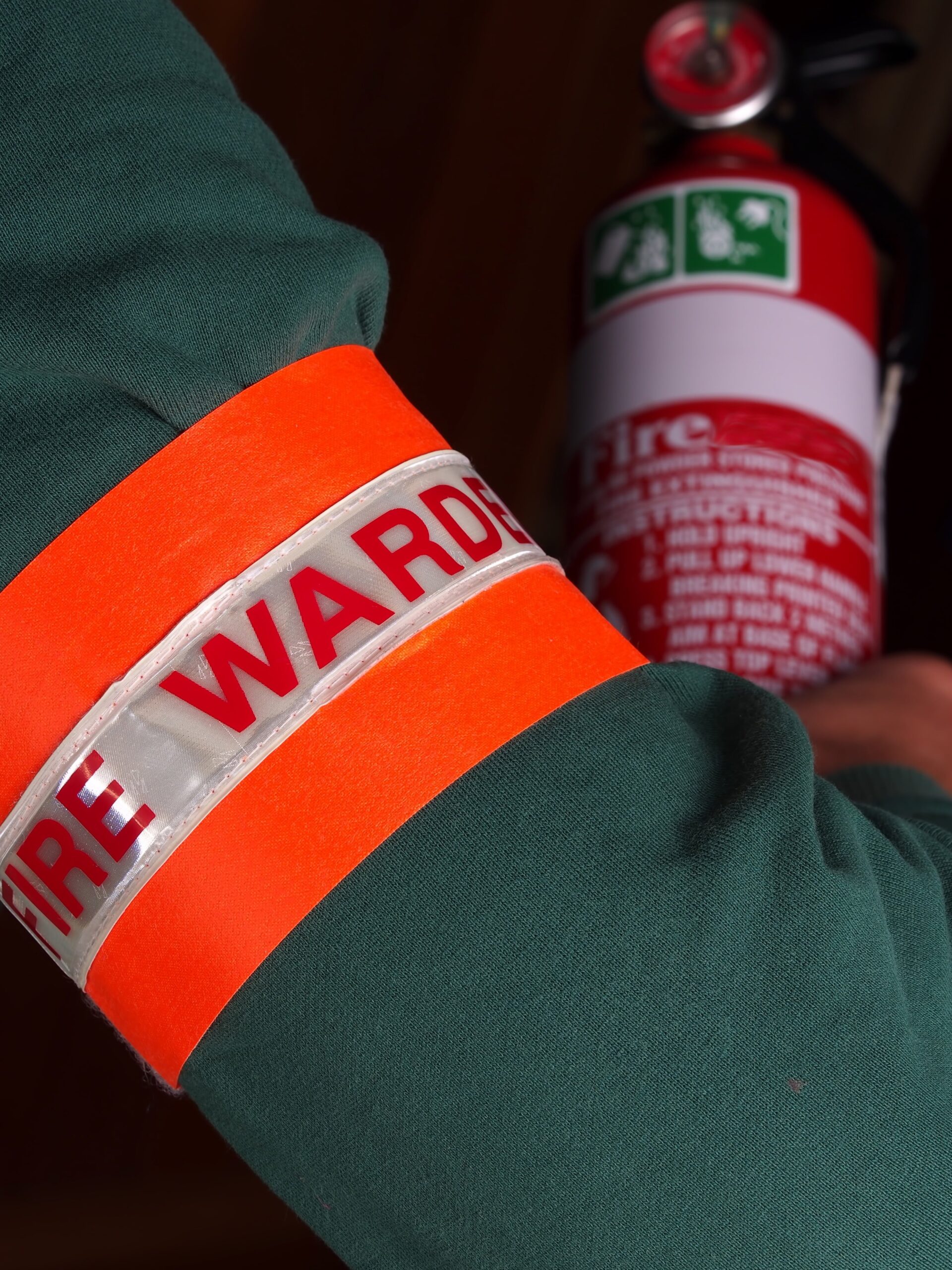
Candidates for PUAFER005 demonstrate floor sweep, door control, calm directions, and marshalling at the stair head. Prospects for PUAFER006 demonstrate command, clearness, prioritisation, and the confidence to state "I don't know yet, checking now." We cover with an after-action review that names what to transform tomorrow. People leave tired, a little bit sweaty, and much better prepared.
The takeaways for leaders and security professionals
You do not need a cast of thousands to run a robust ECO. You require the best people, trained to the ideal units, tested in your actual atmosphere, and supported to keep their abilities fresh. PUAFER005 operate as part of an emergency control organisation is the engine area of warden capacity. PUAFER006 lead an emergency control organisation is the steering wheel in the chief warden's hands. Proof matters because on the day, confidence comes from practice and from knowing you have done it previously, not from a certificate on a wall.
Invest in two things beyond the certifications: scenarios with authentic choices, and connections with base structure, safety and security, and emergency services. Include the small touches that appear trivial today, like standardising the chief warden hat colour to white throughout all lessees, or practicing the precise words for a partial emptying. When the alarm seems and hundreds of faces seek direction, those financial investments settle in calm voices, orderly stairways, and everyone going home.
Take your leadership in workplace safety to the next level with the nationally recognised PUAFER006 Chief Warden Training. Designed for Chief and Deputy Fire Wardens, this face-to-face 3-hour course teaches critical skills: coordinating evacuations, leading a warden team, making decisions under pressure, and liaising with emergency services. Course cost is generally AUD $130 per person for public sessions. Held in multiple locations including Brisbane CBD (Queen Street), North Hobart, Adelaide, and more across Queensland such as Gold Coast, Sunshine Coast, Toowoomba, Cairns, Ipswich, Logan, Chermside, etc.
If you’ve been appointed as a Chief or Deputy Fire Warden at your workplace, the PUAFER006 – Chief Warden Training is designed to give you the confidence and skills to take charge when it matters most. This nationally accredited course goes beyond the basics of emergency response, teaching you how to coordinate evacuations, lead and direct your warden team, make quick decisions under pressure, and effectively communicate with emergency services. Delivered face-to-face in just 3 hours, the training is practical, engaging, and focused on real-world workplace scenarios. You’ll walk away knowing exactly what to do when an emergency unfolds—and you’ll receive your certificate the same day you complete the course. With training available across Australia—including Brisbane CBD (Queen Street), North Hobart, Adelaide, Gold Coast, Sunshine Coast, Toowoomba, Cairns, Ipswich, Logan, Chermside and more—it’s easy to find a location near you. At just $130 per person, this course is an affordable way to make sure your workplace is compliant with safety requirements while also giving you peace of mind that you can step up and lead when it counts.